Frameworks at CAQA LLND
Quality, compliance, and outcomes powered by evidence-based standards.
At CAQA LLND, our programs, training, and assessments are built on nationally and internationally recognised frameworks. These guide the development of Language, Literacy, Numeracy, Digital (LLND), and Employability Skills for learners and workers across Australia.

Australian Core Skills Framework (ACSF)
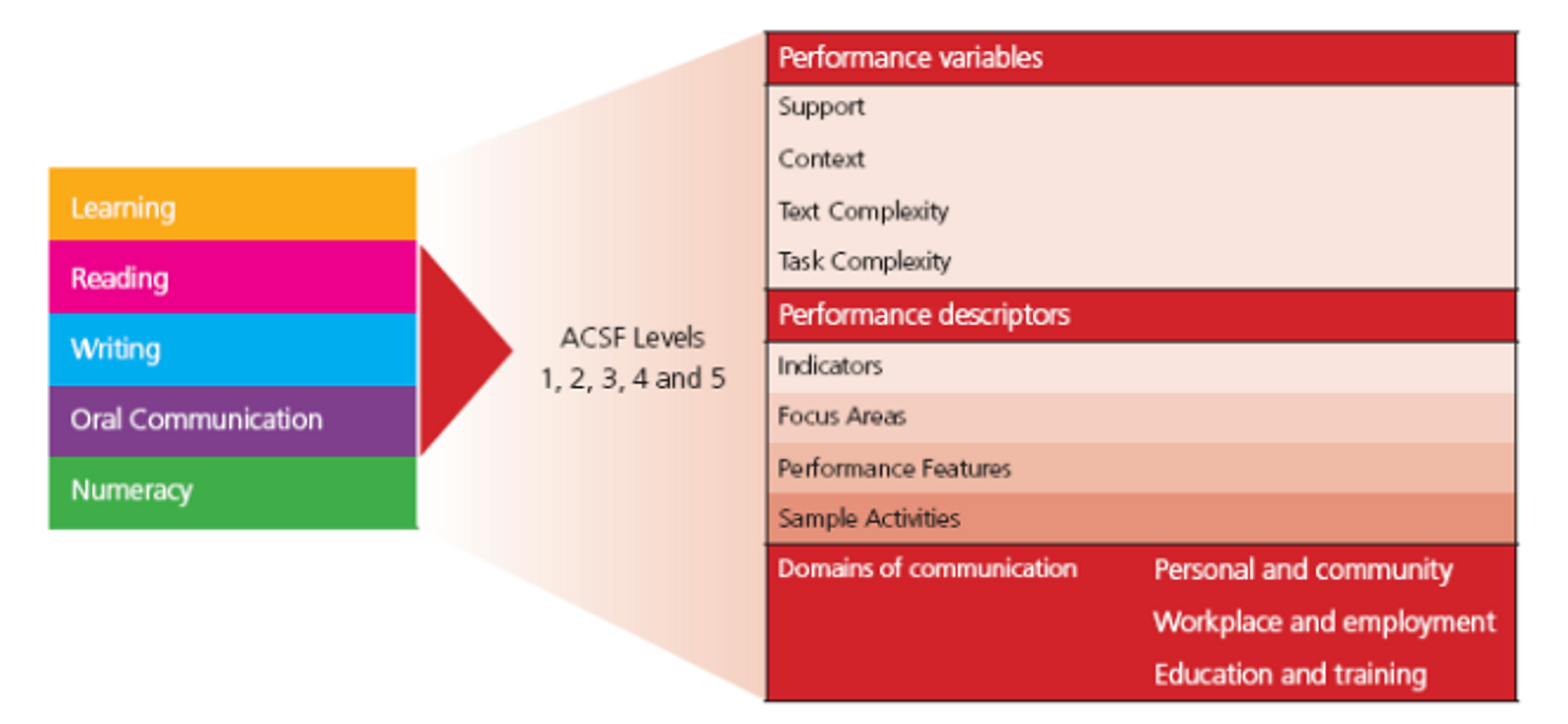
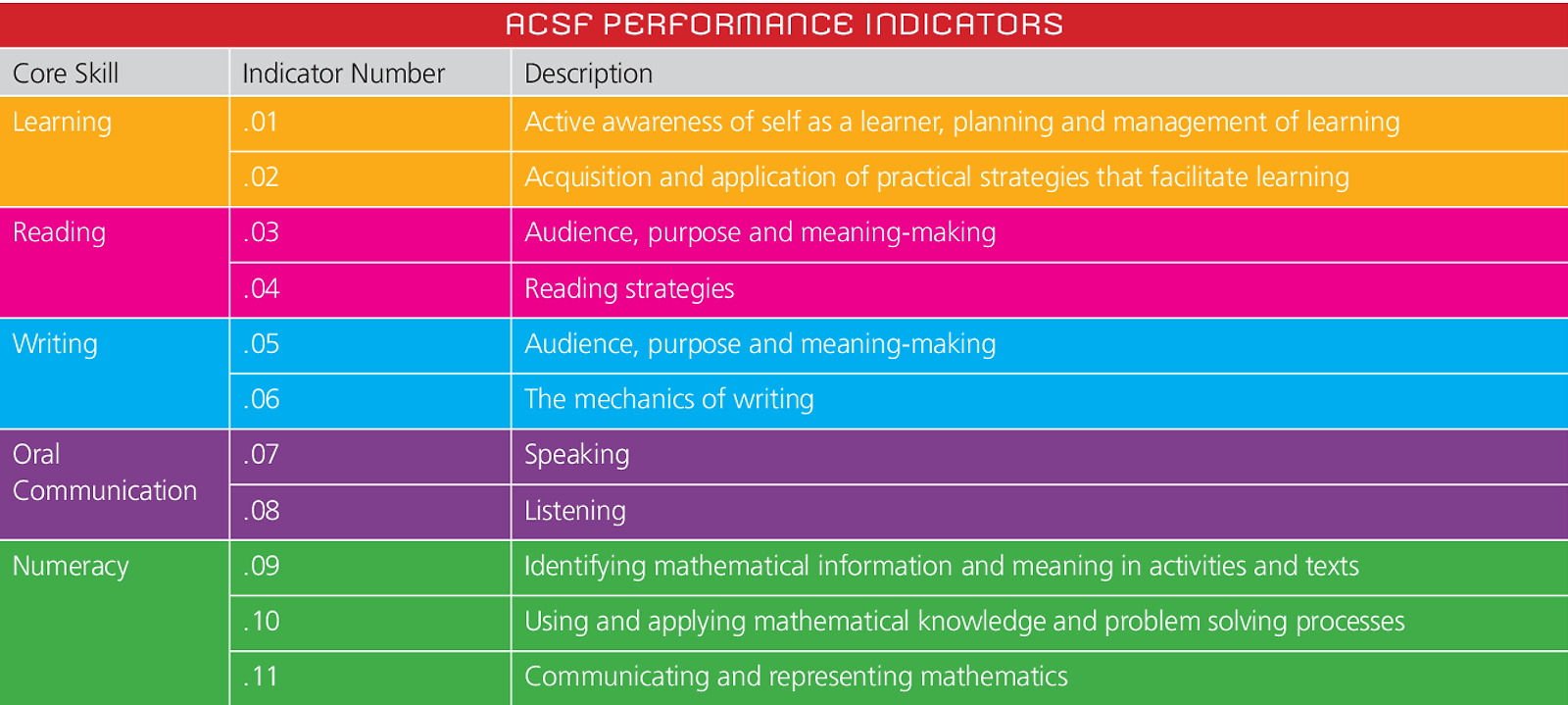
ACSF assesses five essential skills: Learning, Reading, Writing, Oral Communication, and Numeracy. It uses six performance levels and focuses on different contexts—work, community, and education.
Why it matters
- Benchmarks learner skills
- Supports assessment and compliance
- Required for funded programs like Skills First
At CAQA LLND
We use ACSF to map materials, assess gaps, and track learner progression.
Digital Literacy Skills Framework (DLSF)
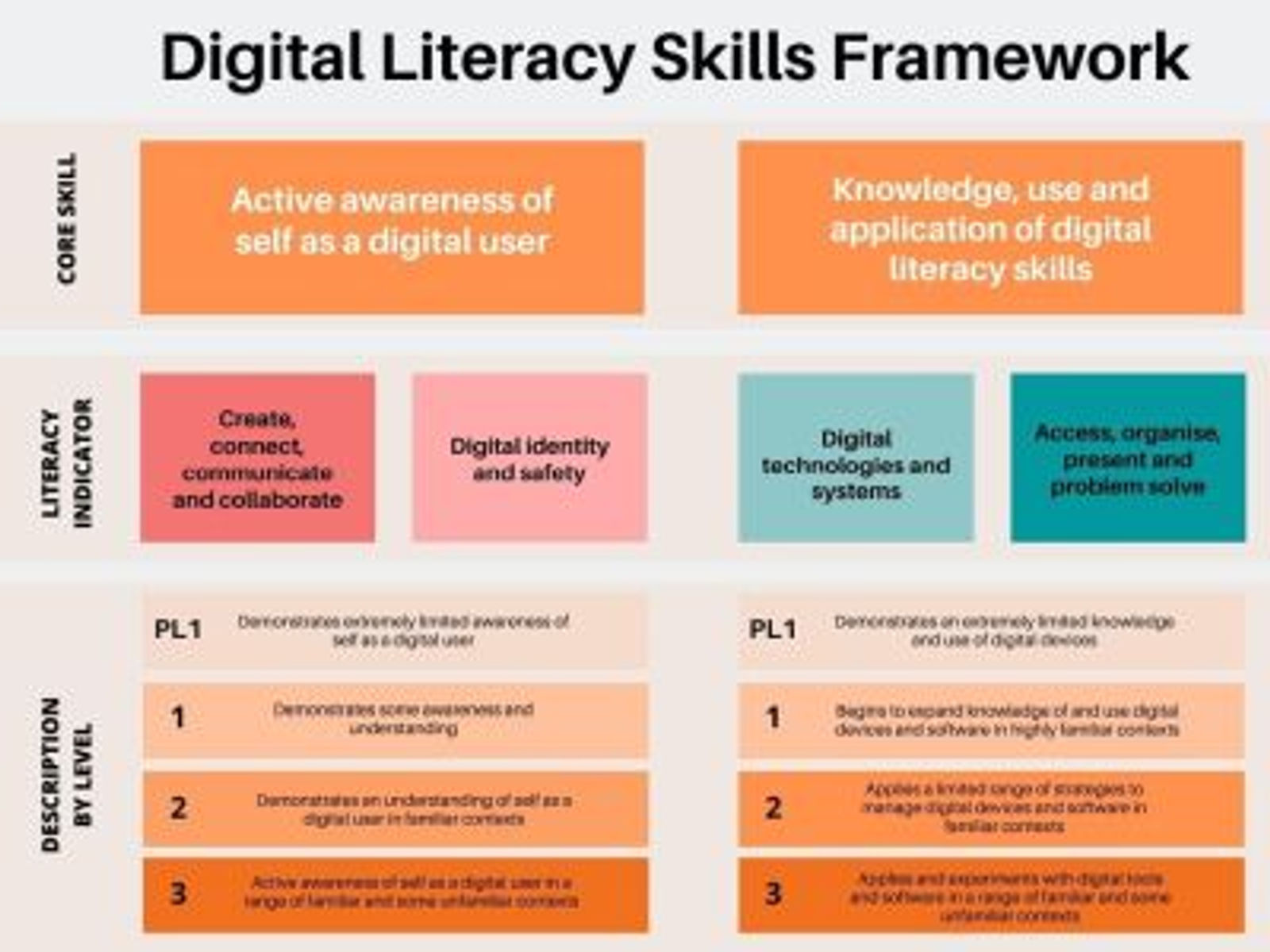
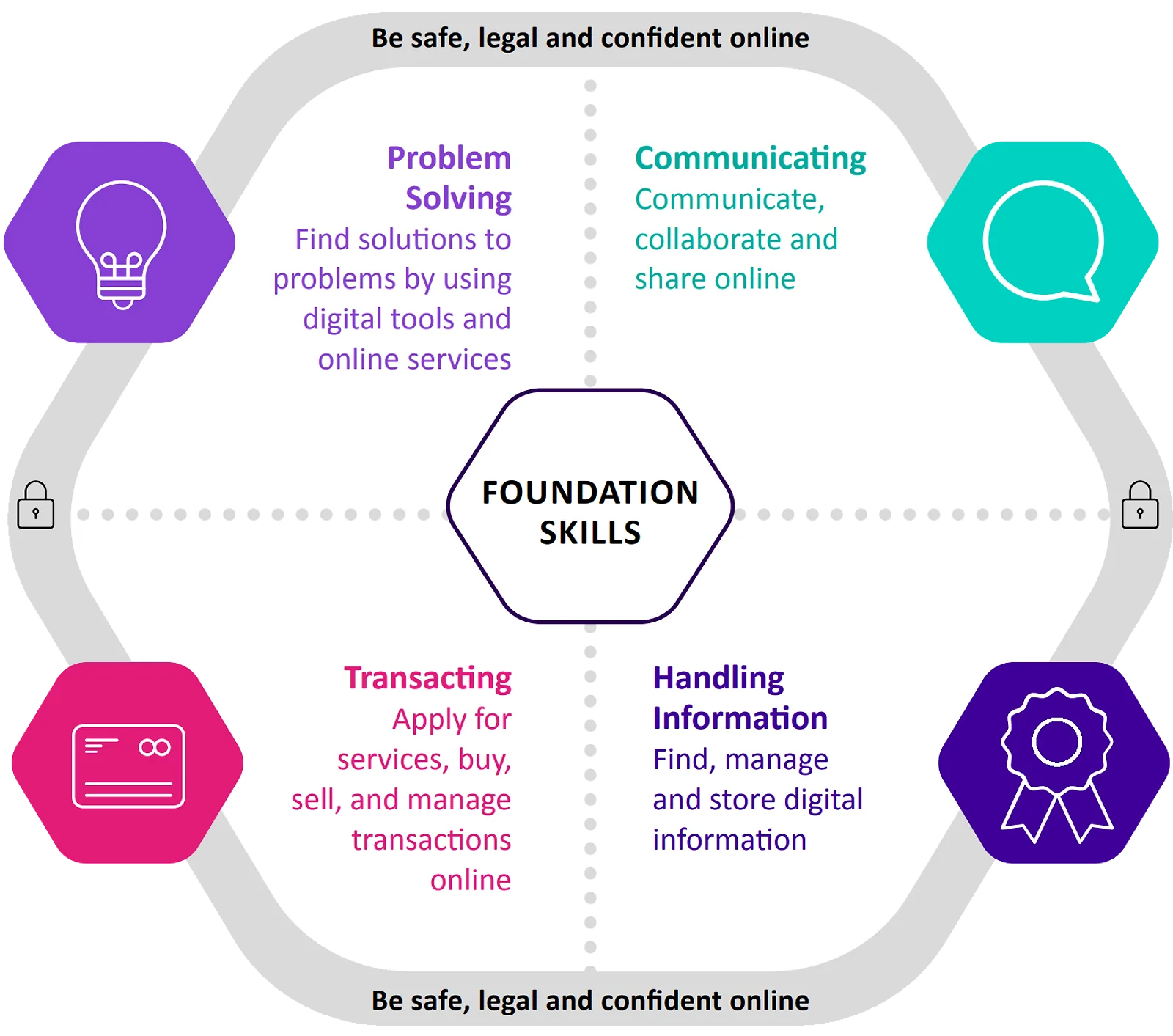
DLSF extends ACSF to include core digital skills—device use, content creation, safety, and problem-solving.
Why it matters
- Prepares learners for digital work environments
- Supports inclusive, equitable training
At CAQA LLND
Integrated into digital courses, e-learning, and workplace training.

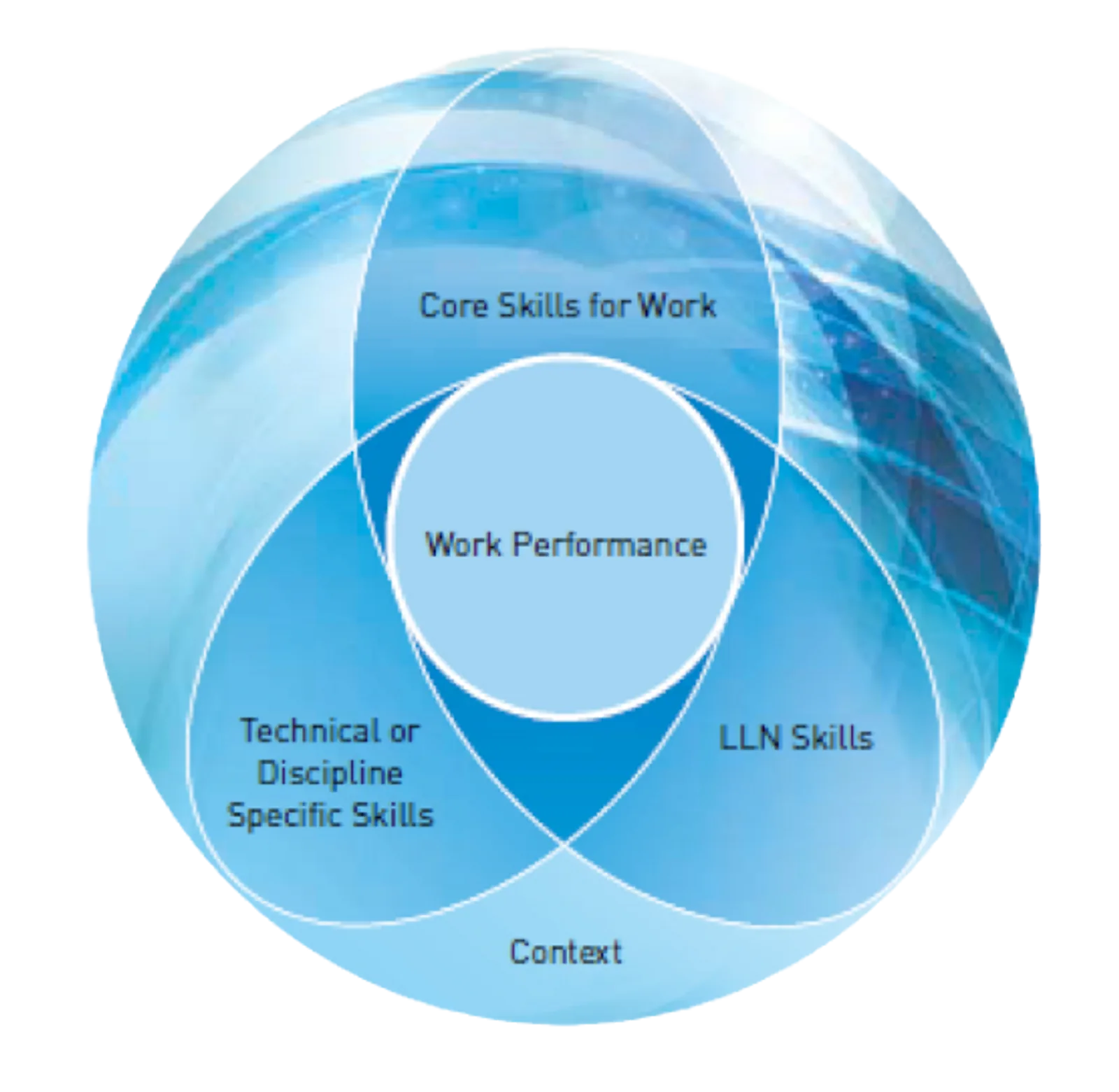
Core Skills for Work (CSfW)
CSfW covers non-technical skills across three clusters:
- Navigate the World of Work
- Interact with Others
- Get the Work Done
Why it matters
- Builds job-readiness
- Supports real-world workplace training
At CAQA LLND
Embedded across all programs and used in scenario-based assessments.
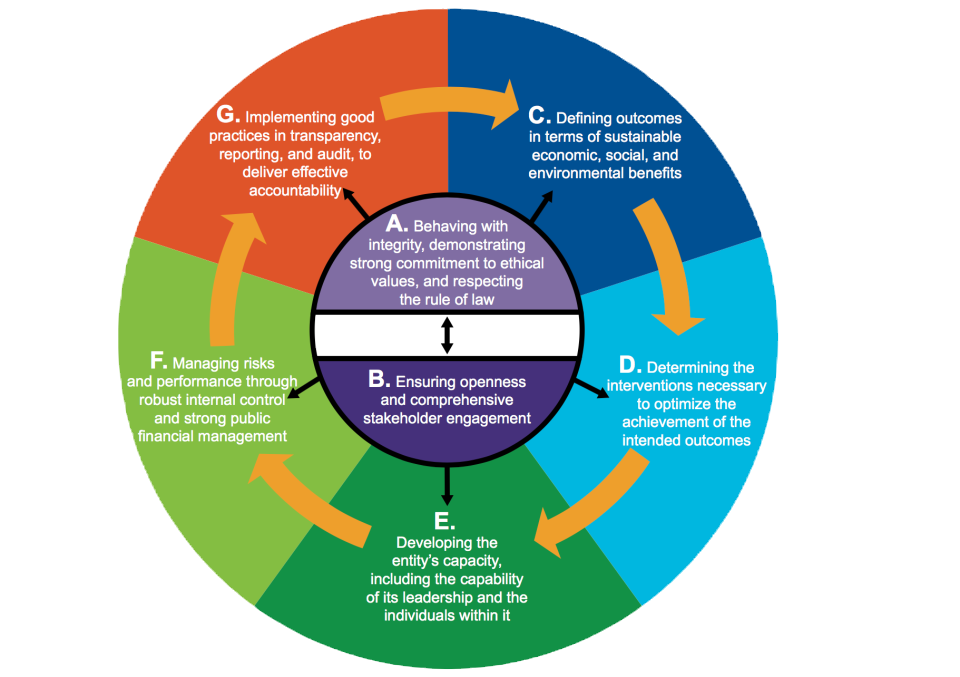
International Frameworks
- CEFR supports multilingual learners with six levels of language proficiency
- PIAAC guides adult numeracy assessment
- ILO Global Framework helps address future-of-work skills globally
Additional Frameworks Supporting LLND and Digital Capability
At CAQA LLND, we recognise that digital and professional skill development is rapidly evolving. To support this, we also consider a broader set of internationally and nationally recognised frameworks that complement the ACSF, DLSF, and CSfW. These frameworks guide the design of our advanced digital capability training, workforce programs, and strategic consulting services.
 The digital world — capability mapped to DigComp & SFIA
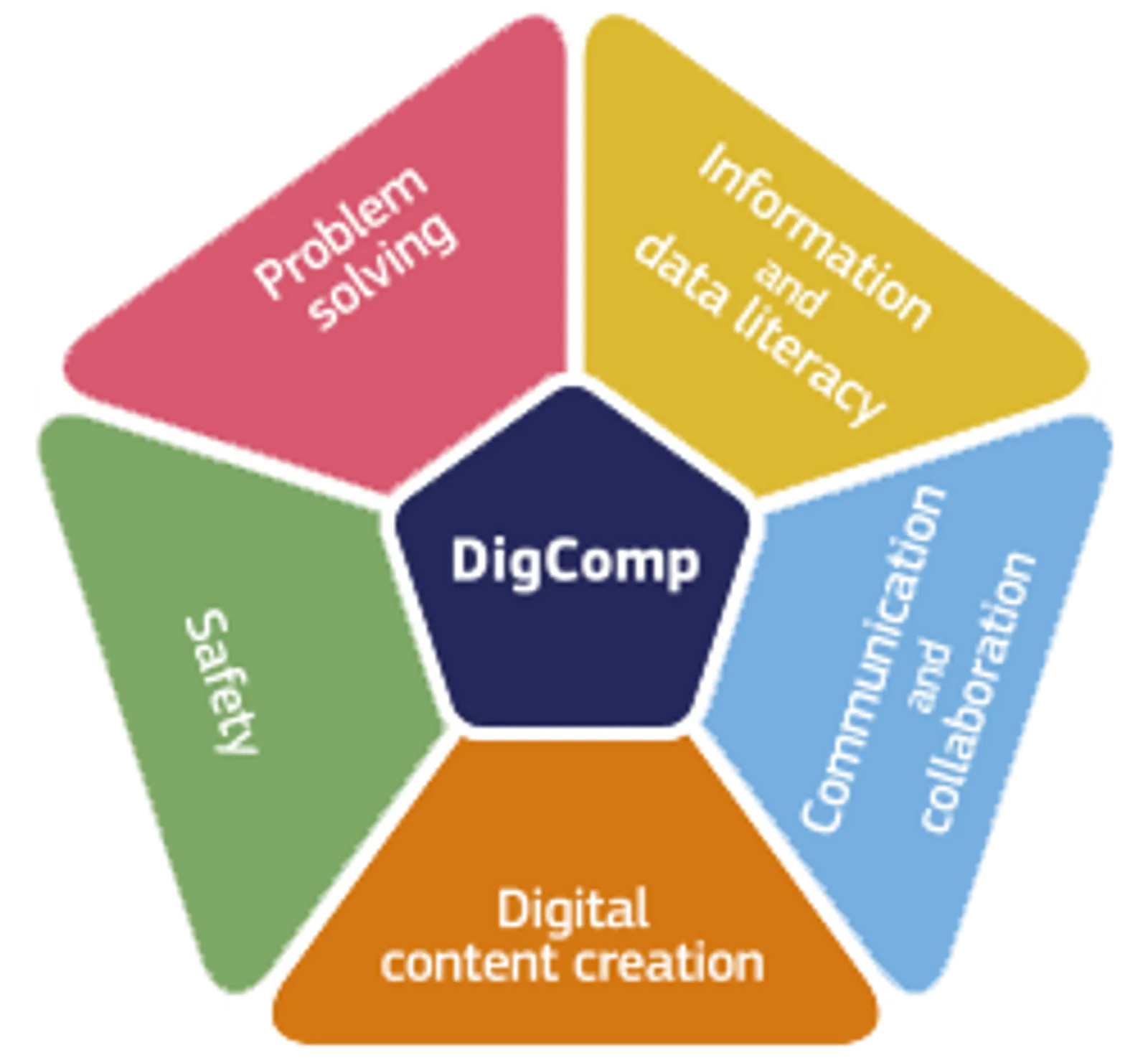
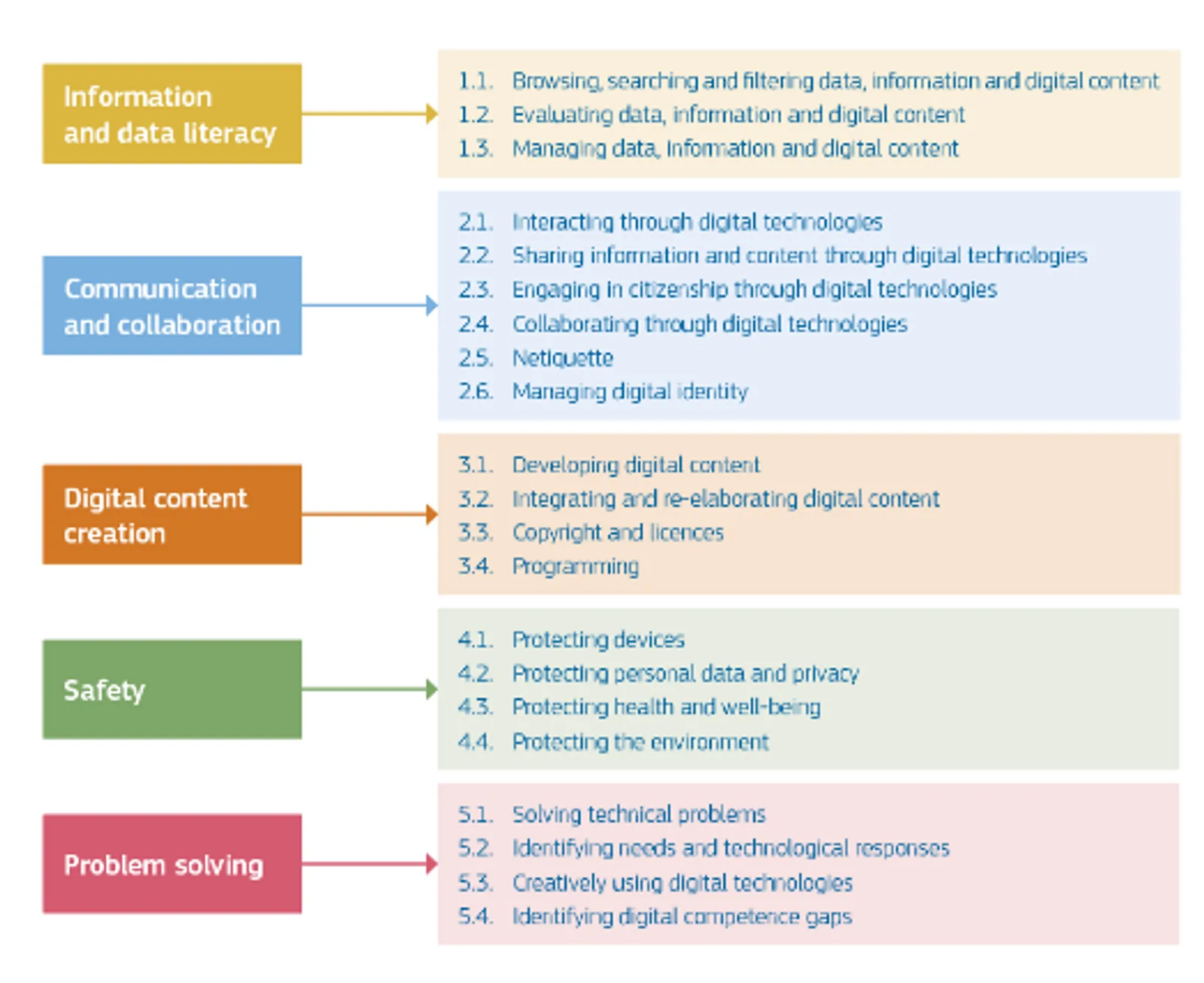
DigComp – Digital Competence Framework for Citizens
What it is :
Developed by the European Commission, DigComp provides a comprehensive model to understand what it means to be digitally competent. It includes five core areas:
- Information and data literacy
- Safety
- Communication and collaboration
- Problem solving
- Digital content creation
Why it matters :
DigComp serves as a global benchmark for digital skills development. At CAQA LLND, we use it to enrich the design of our digital literacy programs, particularly in areas like online collaboration, digital communication, and cyber safety.
Application in CAQA LLND :
- Enhancing digital modules beyond basic use (e.g. critical thinking, secure technology use)
- Supporting adults and older learners to confidently navigate the digital world
- Offering deeper integration into advanced digital skills programs
Skills Framework for the Information Age (SFIA)
What it is :
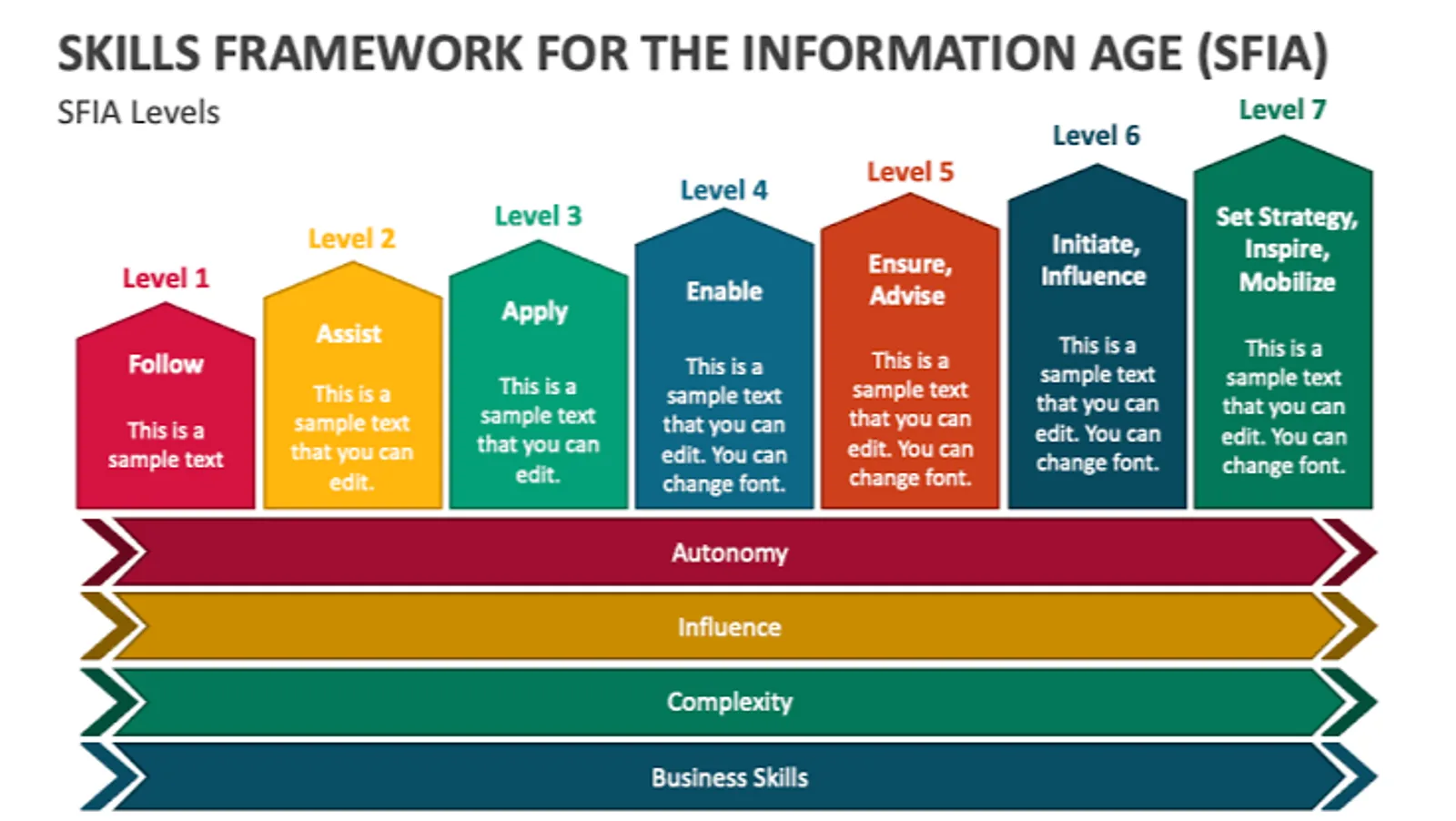
The SFIA is a globally recognised framework that describes skills needed in the digital and ICT sectors across seven levels of responsibility.
Why it matters :
SFIA is used extensively across industries to define roles, manage capability, and guide digital workforce development. It ensures alignment with employer expectations and future workforce needs.
Application in CAQA LLND :
- Supporting employers in aligning digital skills training to workforce needs
- Embedding SFIA levels into digital upskilling and professional development services
- Designing pathways for learners progressing into IT, business analysis, or digital leadership roles
DRAFT Digital Literacy Skills Framework (DLSF)
What it is :
The DLSF draft continues to serve as an important guide while awaiting formal updates. It defines digital literacy across communication, creation, information, safety, and problem-solving.
Why it matters :
Though in draft, it is referenced in Skills First policy and national training program design. It remains foundational to our diagnostic and curriculum mapping tools.
Application in CAQA LLND :
- Used as a reference in blended learning resource development
- Guides digital assessment tasks and mapping of workplace simulations
- Complemented by DigComp and ADCF for expanded alignment
Australian Digital Capability Framework (ADCF)
What it is :
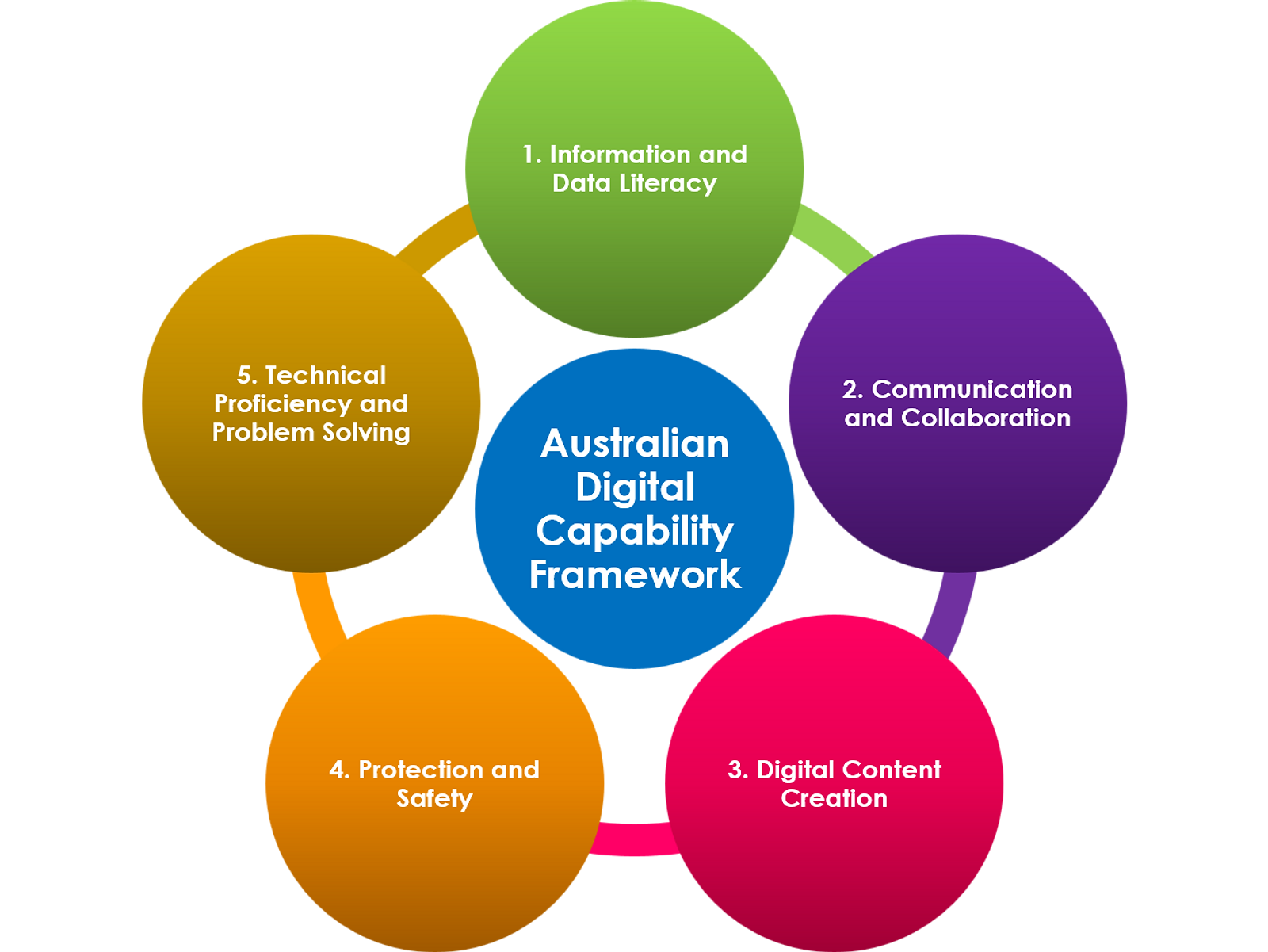
Developed for the Australian context, ADCF defines the capabilities individuals need to be effective in a digital society. While it hasn’t been recently updated, it remains a useful tool for strategic alignment.
Why it matters :
ADCF supports an understanding of digital capability in education, government services, and workforce development.
Application in CAQA LLND :
- Informing digital upskilling strategy for community education and government-funded projects
- Supporting inclusive access to digital training for priority learners
- Referenced in consultancy projects to ensure Australian context compliance
Why Frameworks Matter
They ensure quality, consistency, and measurable progress—for RTOs, employers, government, and learners.
Our Commitment
Frameworks are at the heart of everything we do—empowering learners, supporting trainers, and driving outcomes.
Need help aligning your programs? Contact us for a framework consultation today
Frameworks are the bridge to success. We help you cross it—with clarity and care.